

Cytotec 200 mcg is a medicine based on the active ingredient misoprostol. It has been used for many years in gastroenterology and gynecology to protect the stomach from ulcers and to stimulate uterine contractions under strict medical supervision. If you plan to buy Cytotec online, it is essential to understand how the drug works, what it is prescribed for, its possible risks, and why self‑medication without a doctor’s guidance can be dangerous.
| Drug Name: | Cytotec |
| Tablet Strength: | 200mcg |
| Price: | $1.82 |
| Payment: | Visa, MasterCard, Btc |
| Get Online | Start Order Now |
Table of Contents
- What is Cytotec 200 mcg and how does it work?
- How to buy Cytotec online safely
- Gastric protection and ulcer treatment
- Uterine effects and reproductive use
- Cytotec 200 mcg Product and Pack Details
- Possible side effects and risks
- Contraindications and who should not take Cytotec
- Pregnancy, breastfeeding, and special populations
- Drug interactions
- Postpartum study: Cytotec and uterine recovery
- Practical takeaways before you buy Cytotec online
What is Cytotec 200 mcg and how does it work?
Cytotec is a brand name for the medicine misoprostol. Misoprostol belongs to a group of substances called prostaglandin analogues. Prostaglandins are natural chemicals produced by the body that are involved in many processes, including protection of the stomach lining and contraction of smooth muscles such as those in the uterus.
Each Cytotec 200 mcg tablet contains misoprostol as the active ingredient (also known by its Latin name, Misoprostolum). When taken by mouth, the medicine is quickly absorbed and begins to work within about 30 minutes. Its main actions last for at least 3–6 hours, and the effect is stronger at the 200 mcg dose compared with lower doses.
From a pharmacological point of view, misoprostol is grouped with prostaglandins, thromboxanes, and leukotrienes, as well as their analogues and antagonists. Other medicines in related pharmacological groups include Singulair (montelukast), zafirlukast, Montelar, Vasaprostan (alprostadil), Singlon, and iloprost. These medicines differ in their exact targets and uses, but all interact in some way with the body’s prostaglandin or leukotriene systems.

Medicines that contain misoprostol or work in a similar way can be either original brands or so‑called generics (analogues). Examples of generic or related products include Arthrotec (a combination of diclofenac with misoprostol), standalone misoprostol tablets sold under various names, and preparations such as Mirolyut or Topogin. Even if names and manufacturers differ, they may share the same active substance and therefore similar effects and risks.
When you consider whether to buy Cytotec online, it is helpful to understand that you are not simply purchasing a painkiller or a vitamin. You are buying a powerful prescription‑level medicine that influences the stomach, intestines, uterus, and blood vessels. This is why it must be used only according to a doctor’s instructions, with careful attention to dosage, existing medical conditions, and possible interactions with your other medicines.
In summary, Cytotec 200 mcg is a synthetic version of a natural protective substance. It can be very useful for preventing or treating ulcers caused by non‑steroidal anti‑inflammatory drugs (NSAIDs) such as ibuprofen, diclofenac, or indomethacin, and it also plays an important role in carefully supervised reproductive and obstetric care. However, the same properties that make it effective can also make it risky if taken in the wrong way or by the wrong person.
How to buy Cytotec online safely
Many people search the internet for ways to buy Cytotec online because they hope to save money, protect their privacy, or get faster access to treatment. Online pharmacies can indeed offer competitive prices and discreet delivery, including anonymous packaging and international shipping. However, not every website that sells Cytotec is trustworthy, and obtaining the medicine without a proper medical consultation may put your health at risk.
A safe online purchase starts with choosing a licensed, reputable pharmacy. Look for clear contact information, verification seals from recognized pharmacy boards where applicable, and a requirement for a valid prescription when local laws demand it. Avoid sites that offer Cytotec as an over‑the‑counter product in regions where it is normally prescription‑only, promise unrealistic results, or encourage you to use the medicine without any medical supervision.
When you buy Cytotec online, be cautious of extremely low prices, unbranded tablets, or packaging that does not clearly state the active ingredient misoprostol and its strength (for example, 200 mcg). Counterfeit products may contain the wrong dose, different substances, or contaminants. These can lead to lack of effect in serious conditions or to severe side effects.
In many cases, the safest way to benefit from online ordering is to combine it with professional care: consult your doctor in person or via telemedicine, receive a clear diagnosis and treatment plan, and then use a reliable online pharmacy only as the delivery channel. In this way, you can enjoy the convenience of buying Cytotec online while still being protected by medical oversight and appropriate follow‑up.
Gastric protection and ulcer treatment
One of the main approved uses of Cytotec is to protect the stomach and duodenum (the first part of the small intestine) from ulcers, especially in people who have to take NSAIDs for a long time. NSAIDs such as ibuprofen or diclofenac relieve pain and inflammation, but they also reduce the natural prostaglandins that normally shield the stomach lining from acid. As a result, some patients develop irritation, erosions, or ulcers that can bleed.
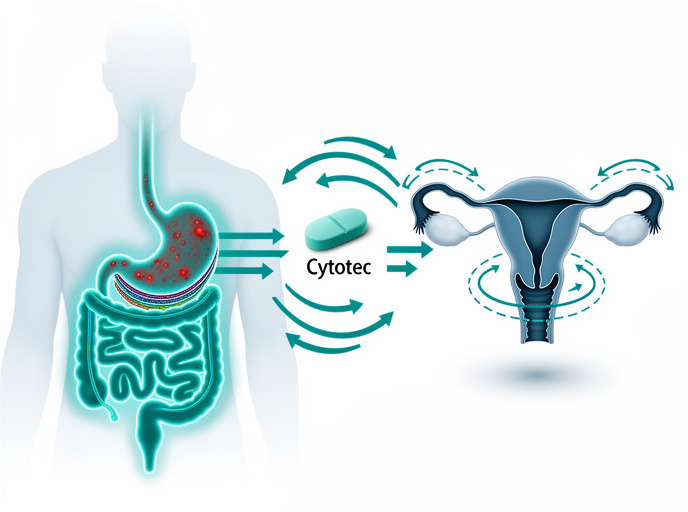
Cytotec helps by imitating the action of protective prostaglandins. It increases the production of mucus and bicarbonate in the stomach. Mucus forms a physical barrier that coats the inner surface, while bicarbonate helps neutralize acid. Together, they make the lining more resistant to the harsh acidic environment.
At the same time, misoprostol reduces the secretion of gastric juice, meaning that less acid is released. This effect is seen both in the basal state (for example, at night when you are not eating) and after meals or other stimuli that normally increase acid production. The medicine also lowers the basal production of pepsin, a digestive enzyme that can contribute to damage when present in excess.
Doctors prescribe Cytotec to prevent NSAID‑associated ulcers in patients at high risk, such as older adults, people with a history of ulcers, or those taking high doses of NSAIDs. It is also used in the treatment of active gastric and duodenal ulcers, usually as part of a broader plan that may include stopping or reducing NSAIDs, adjusting diet, and treating any underlying infection such as Helicobacter pylori if present.
Even if you intend to buy Cytotec online primarily for gastric protection, you should still be evaluated by a healthcare professional. Symptoms like persistent heartburn, black stools, vomiting blood, or unexplained weight loss require urgent medical attention and cannot be managed safely with self‑medication alone.
Uterine effects and reproductive use
Besides its action on the stomach, Cytotec has a strong effect on the uterus. Misoprostol stimulates the smooth muscle of the uterine wall (the myometrium), making contractions more frequent and more powerful. It also promotes the softening and dilation (opening) of the cervix. These effects can be useful in certain obstetric and gynecological situations when carefully planned and monitored by specialists.
In combination with another medicine, mifepristone, misoprostol is used for the medical termination of early pregnancy up to a specific limit of amenorrhea (for example, up to about 42 days in some protocols). In such cases, the treatment must only be carried out in specialized medical facilities, under the supervision of trained physicians who can provide emergency care, including gynecological surgery and blood transfusion if needed.
Because misoprostol increases uterine tone and can induce contractions, it is strictly contraindicated in pregnant women when used for gastric protection. If a woman becomes pregnant while taking Cytotec for stomach problems, there is a real risk of miscarriage, bleeding, and complications for both mother and fetus.
For this reason, women of childbearing potential who are prescribed Cytotec for ulcer prevention or treatment must follow strict safety rules. These usually include confirming that they are not pregnant with a blood or serum pregnancy test, repeating the test if necessary, starting treatment only on the second or third day of a normal menstrual cycle, and using reliable contraception for the entire duration of therapy.
Cytotec 200 mcg Product and Pack Details
Cytotec contains misoprostol and Pfizer labeling identifies 100 mcg and 200 mcg tablets. An online offer should clearly state the active ingredient, exact tablet strength, manufacturer, tablet count, and package information. These are product characteristics for matching a listing to an existing prescription, not instructions for choosing a regimen or indication.
Before checkout, compare the 200 mcg or other specified strength, package quantity, expiry information, prescription-review process, final price, and delivery terms. A different strength or pack is not an automatic substitute simply because it is available online.
Misoprostol has serious pregnancy-related warnings. The suitable product and use must follow the approved indication, prescription, and qualified clinical supervision. A commercial page must not be used to construct a pregnancy-related regimen or to replace screening.
If the listing does not identify the exact tablet presentation or the intended product differs from the prescription, stop the order and ask the pharmacy to clarify it before payment.
Possible side effects and risks
Like all active medicines, Cytotec can cause side effects. Not everyone will experience them, but it is important to know what might occur so that you can react promptly and seek help if needed. Side effects often appear at the beginning of treatment and may lessen as the body adjusts.
From the digestive system, patients may notice abdominal pain, bloating (flatulence), nausea, vomiting, diarrhea, or sometimes constipation. Mild, short‑lasting diarrhea and cramping are relatively common but should still be reported to your doctor, especially if severe or persistent. In some people, the balance between acid reduction and intestinal stimulation can lead to uncomfortable bowel changes.
From the reproductive system, women may feel lower abdominal pain related to uterine contractions. Menstrual changes are possible, including more painful periods (dysmenorrhea), more frequent bleeding (polymenorrhea), heavier menstrual flow (menorrhagia), or bleeding between periods (metrorrhagia). Any unexpected or very heavy bleeding should always be discussed with a healthcare professional as soon as possible.
Allergic reactions can occur, although they are not very common. They may present as skin rash, itching, or, in rare cases, swelling of deeper tissues (angioedema), including the face, tongue, or throat. Sudden difficulty breathing, swelling, or severe rash require immediate emergency care.
Other reported side effects include changes in body weight, general weakness (asthenia), and increased fatigue. Very rarely, seizures have been described, especially in women in the peri‑ or post‑menopausal period. Because of these potential risks, Cytotec therapy should always be regularly reviewed, and any unusual symptoms should be promptly evaluated.
Contraindications and who should not take Cytotec
Cytotec is not suitable for everyone. It is contraindicated in people with severe liver dysfunction, severe kidney failure, inflammatory bowel diseases such as active enteritis, and in children and adolescents under 18 years of age. Individuals who are hypersensitive or allergic to misoprostol or other prostaglandin analogues must not take the medicine.
Pregnancy and breastfeeding are absolute contraindications for the use of Cytotec in the context of gastric protection. Because misoprostol can increase uterine tone and provoke contractions, taking it during pregnancy may lead to miscarriage, bleeding, or complications for the fetus. During breastfeeding, the medicine may pass into breast milk; therefore, its use is not recommended unless a specialist clearly decides that the potential benefits outweigh the risks and provides strict monitoring.
The medicine is also contraindicated in pediatric patients. Growing children and adolescents have different physiological responses and safety profiles, and there is insufficient evidence to support routine use of misoprostol in this age group for ulcer prevention or other indications mentioned here.
If you have any chronic illness—such as heart disease, low blood pressure, previous stroke, epilepsy, or chronic intestinal conditions like enterocolitis or persistent diarrhea—your doctor must weigh the benefits and risks before prescribing Cytotec. Self‑prescribing the medicine after reading about it online or purchasing it from unverified sources can be especially dangerous in these situations.
Pregnancy, breastfeeding, and special populations
For women of childbearing potential, strict precautions are necessary. Before starting Cytotec therapy for gastric protection, a pregnancy test should be performed and confirmed negative. In many clinical protocols, the test should remain negative for around two weeks before beginning treatment. Therapy is usually started on the second or third day of a normal menstrual cycle, when the chance of an unrecognized pregnancy is low.
Reliable contraception must be maintained throughout the course of treatment. If menstruation is delayed or abnormal, or if there is any suspicion of pregnancy, the medicine should be stopped and medical advice sought immediately. This careful approach helps to avoid inadvertent exposure of a developing pregnancy to a drug that can trigger uterine contractions.
In patients with impaired liver or kidney function, the use of Cytotec is restricted. Severe liver dysfunction and severe renal failure are contraindications because the body may not handle the medicine normally, leading to increased side effects or accumulation. In milder forms of impairment, doctors may consider dose adjustments or alternative therapies.
Older adults or those with cardiovascular diseases such as coronary heart disease, previous stroke, or coronary cardiosclerosis need close monitoring. Cytotec can slightly lower blood pressure and influence circulation. People with epilepsy or a history of seizures should also be treated with caution, as very rare convulsive episodes have been reported.
Drug interactions
Cytotec can interact with other medicines you may be taking. Some interactions influence how much misoprostol is present in your blood, while others modify the effects or side effects of accompanying drugs.
When misoprostol is taken together with antacids, its plasma concentration may decrease. This means that the protective effect on the stomach could be somewhat reduced. Antacids that contain magnesium may additionally increase the risk or severity of diarrhea. For this reason, the combined use of Cytotec with magnesium‑containing antacids should be carefully considered and monitored by a doctor.
A clinical case has been reported in which the anticoagulant effect of acenocoumarol (a blood‑thinning medicine) decreased when taken together with misoprostol. If you use any anticoagulant, including warfarin or acenocoumarol, your doctor may need to adjust the dose or monitor your blood clotting parameters more closely when starting or stopping Cytotec.
When misoprostol is combined with NSAIDs such as diclofenac or indomethacin, some side effects of these painkillers may become more pronounced. At the same time, Cytotec helps protect the stomach from NSAID‑induced damage. This combination therapy must be designed and supervised by a physician who understands both the benefits and the risks.
It is also recommended to avoid taking additional aspirin or other NSAIDs for at least one week after a course of misoprostol used in reproductive settings, unless a specialist clearly advises otherwise. To prevent harmful interactions, always inform your healthcare provider about all medicines, supplements, and herbal products you are using before you start Cytotec or before you buy Cytotec online from any source.

Postpartum study: Cytotec and uterine recovery
An experimental clinical observation described in the medical literature explored whether Cytotec could help the uterus return to its normal size more quickly after childbirth. In this report, a woman after delivery received 100 mcg of misoprostol intravaginally at several time points: 2, 24, 48, and 72 hours after giving birth. The aim was to gently stimulate uterine contractions and support the natural process of postpartum involution—the gradual shrinking of the uterus back to its pre‑pregnancy size.
According to the summary, the patient did not experience complications. Ultrasound examinations and laboratory tests showed that the uterus was recovering well, and she was discharged home on the fifth day after delivery. The authors concluded that Cytotec demonstrated an additional useful property in this context: by promoting regular uterine contractions, it appeared to accelerate uterine involution.
The proposed schedule and the intravaginal route of administration were considered optimal in this particular case and were suggested as a way to prevent postpartum problems such as delayed uterine recovery (subinvolution), accumulation of discharge in the uterine cavity (lochiometra), and postpartum uterine inflammation (endometritis). By supporting effective uterine emptying and contraction, the method aimed to increase treatment effectiveness and reduce the risk of complications.
In simple terms, this report suggests that, under expert supervision and using a carefully designed regimen, Cytotec may help a woman’s uterus recover more quickly and smoothly after childbirth. However, it is very important to remember that this kind of use belongs strictly to the field of hospital obstetrics. It must never be attempted at home or without the presence of trained medical personnel and immediate access to emergency care.
Official Cytotec Product Information
For an independent check of the Pfizer brand, misoprostol active ingredient, 100 mcg and 200 mcg tablet presentations, approved use, and boxed pregnancy warnings, review the official Pfizer Cytotec prescribing information. It is essential product and safety context and does not replace an individual prescription or specialist supervision.
Practical takeaways before you buy Cytotec online
Cytotec 200 mcg is a powerful and versatile medicine. It protects the stomach and intestines from ulcer damage, supports the treatment of existing ulcers, and, in combination with other medicines and under strict supervision, plays a role in reproductive and postpartum care. Its main actions include increasing protective mucus and bicarbonate in the stomach, reducing acid and pepsin secretion, and stimulating uterine contractions with cervical softening.
At the same time, misoprostol can cause gastrointestinal discomfort, menstrual changes, allergic reactions, and, in rare cases, serious complications. It is contraindicated during pregnancy and breastfeeding when used for ulcer protection, in children and adolescents, and in people with severe liver or kidney disease or certain inflammatory bowel disorders. Careful attention must also be paid to drug interactions, especially with antacids, magnesium‑containing products, anticoagulants, and NSAIDs.
If you decide to buy Cytotec online, use this option only as a convenient way to fill a treatment plan that has already been discussed with a qualified healthcare professional. Choose trustworthy pharmacies, avoid self‑prescribing, and always read the patient leaflet in full. Do not ignore warning signs such as severe abdominal pain, heavy bleeding, unexplained weakness, or allergic symptoms.
By combining responsible medical guidance with the advantages of modern online pharmacy services, you can make sure that when you buy Cytotec online, you are doing so in the safest and most informed way possible—protecting not only your stomach or reproductive health, but your overall well‑being.